


Recycling vs. Reusing: Key Differences in Sustainability and Packaging
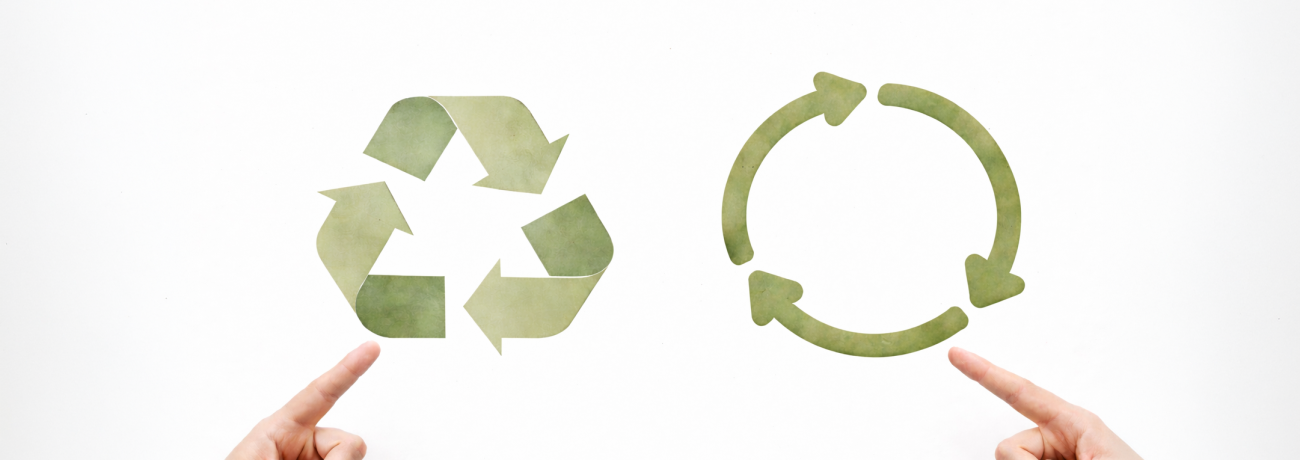
In the current environmental debate, recycling and reusing are often presented as equivalent actions. However, they represent different processes within the circular economy and have different impacts on resource use, energy, and packaging design.
Understanding this difference allows for more efficient decisions to be made both in industry and in everyday consumption, especially in sectors where materials and their life cycle are decisive factors.
What recycling means
Recycling consists of processing a used material to transform it back into raw material. This process includes industrial stages such as collection, sorting, cleaning, and reprocessing.
Its main benefit is to avoid the extraction of virgin resources and keep materials in productive circulation. However, recycling requires energy consumption, infrastructure, and specialized logistics.
Aluminum stands out within this model because it can be recycled indefinitely without losing its physical properties or technical quality, positioning it as one of the most efficient materials in sustainable packaging.
What does reuse mean?
Reuse involves using a product again without transforming it industrially. The packaging retains its original structure and extends its useful life through new cycles of use.
From an environmental point of view, reuse reduces waste generation and minimizes additional energy consumption. For this reason, it is often considered a priority strategy within the sustainability hierarchy.
Packaging designed with resistant and stable materials allows for multiple uses while maintaining its functional and aesthetic properties.
Differences between recycling and reusing
- Material process: Recycling transforms the material to create a new one, while reuse keeps the product in its original form.
- Energy impact: Recycling requires industrial processes, whereas reuse avoids additional processing.
- Packaging life cycle: Recycling starts a new production cycle, while reuse extends the existing one.
- Design approach: Recycling depends on the recyclability of the material, while reuse depends on the durability of the packaging.
Complementary strategies in circular economy
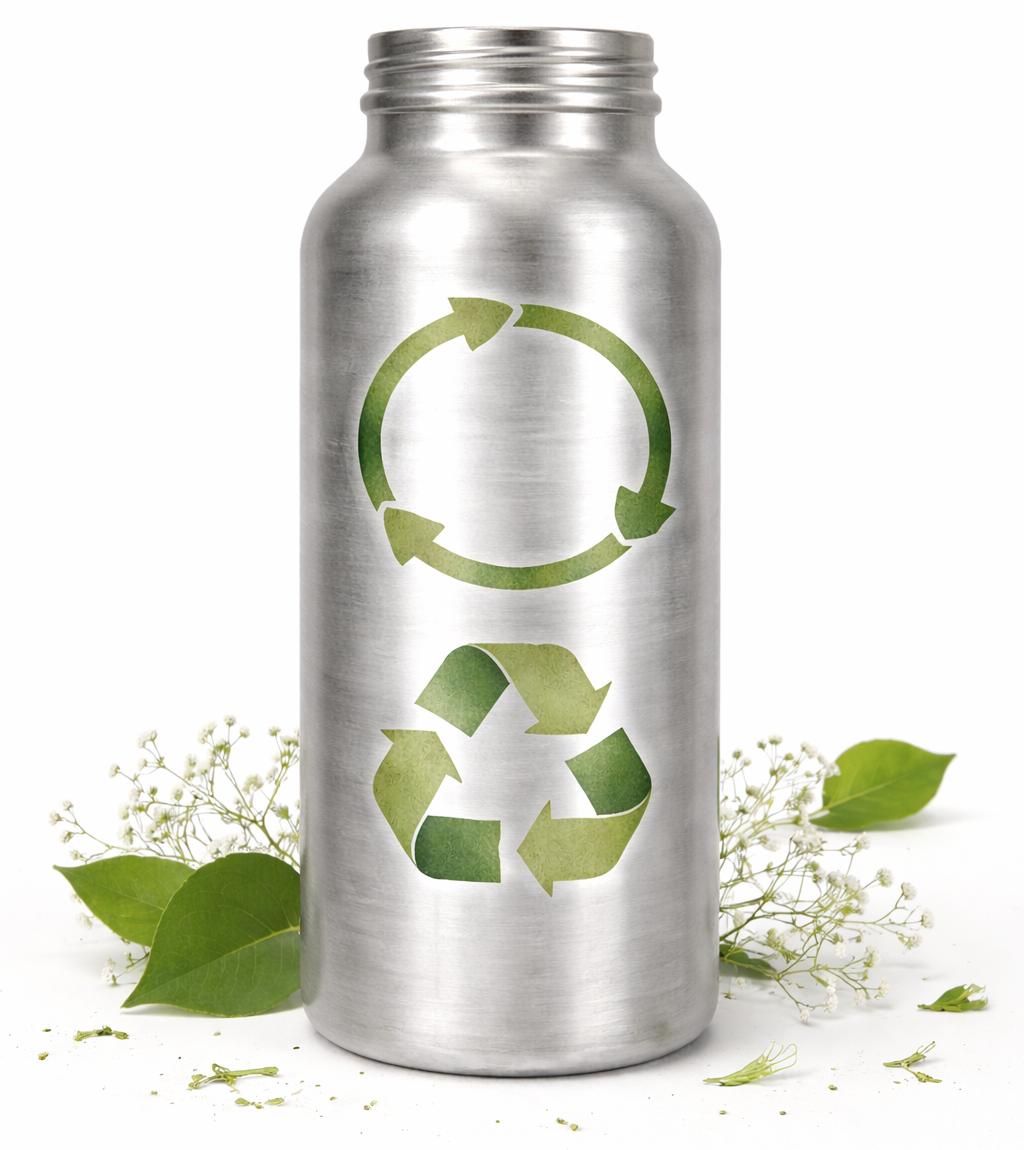
Recycling and reuse are not opposing options, but complementary stages of the same system. Reuse acts as the first strategy to extend the product’s useful life. Recycling, on the other hand, allows the material to be recovered when the packaging can no longer be used.
This hierarchical approach—reduce, reuse, and recycle—is the basis of modern sustainable production models.
The role of packaging design
The difference between recycling and reusing begins at the design stage. Packaging designed for multiple uses must offer strength, material stability, and aesthetic permanence. At the same time, it must be fully recyclable when its useful life ends.
In aluminum packaging, these characteristics converge naturally: durability for reuse and permanent recyclability for material recovery.
This approach transforms packaging into a continuous resource within the production system.
Sustainability as a design decision
Distinguishing between recycling and reusing allows for a more accurate assessment of the environmental impact of each packaging solution. Both processes are necessary, but their effectiveness depends on how they are integrated into the product design.
For Condensa, packaging development involves balancing durability, recyclability, and aesthetic quality, promoting solutions that extend the life cycle of the material and optimize the use of resources.
In a scenario where material efficiency defines competitiveness, understanding these differences is an essential part of a real sustainability strategy.